





Objective:
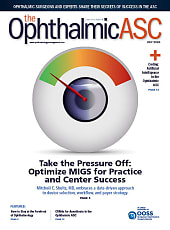
To evaluate the benefits and limitations of performing cataract surgery at physiologic intraocular pressure (IOP) compared to higher IOP levels, emphasizing the comparative outcomes.
Approach:
- High IOP during cataract surgery is associated with negative postoperative complications such as inflammation and corneal edema.
- Operating at physiologic IOP improves corneal clarity and reduces complications without increasing surgical time, supported by recent studies.
- Advanced fluidics technology allows for better IOP monitoring and reduces anterior chamber variability, contributing to safer surgical practices.
- Lower IOP can reduce anterior chamber depth, limiting working space for the surgeon, particularly in complex cases.
- Reduced fluid flow may hinder lens fragment mobilization, especially for inexperienced surgeons, highlighting the need for training and technique adaptation.
Key Findings:
Interpretation:
The trend towards lower IOP during cataract surgery is supported by evidence indicating improved patient outcomes and reduced complications, particularly for patients with compromised optic nerves, suggesting a need for tailored surgical approaches.
Limitations:
Conclusion:
For most cataract surgery patients, operating at physiologic IOP is recommended due to its associated benefits, particularly for those with optic nerve compromise, while emphasizing the importance of individualized patient assessment.
This content is an AI-generated, fully rewritten summary based on a published scholarly article. It does not reproduce the original text and is not a substitute for the original publication. Readers are encouraged to consult the source for full context, data, and methodology.