


Objective:
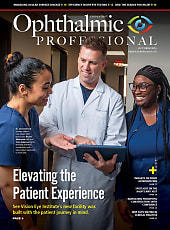
To enhance patient care by streamlining workflows through strategic alignment of people, processes, and platforms, while balancing efficiency with quality.
Approach:
- Data-driven insights revealed previously overlooked patient populations, leading to targeted outreach.
- Consistent outreach improved patient reactivation rates, with a notable percentage of previously lost patients re-engaged.
- Optimized workflows reduced wait times and enhanced patient experience, achieving a target of under 10 minutes.
- Team alignment and communication fostered accountability and collaboration, resulting in improved staff morale.
- Proactive measures in surgical preparation minimized delays, streamlining the patient journey.
- Dependence on accurate data entry and interpretation, which can be mitigated through regular training.
- Potential resistance to change among staff, which can be addressed by fostering a culture of open communication and involvement.
Key Findings:
Interpretation:
Strategic alignment of resources and data utilization can significantly enhance clinical efficiency and patient care quality, leading to better health outcomes.
Limitations:
Conclusion:
By leveraging data and fostering a collaborative culture, healthcare practices can achieve both efficiency and excellence in patient care, emphasizing the need for continuous improvement.
This content is an AI-generated, fully rewritten summary based on a published scholarly article. It does not reproduce the original text and is not a substitute for the original publication. Readers are encouraged to consult the source for full context, data, and methodology.