



Objective:
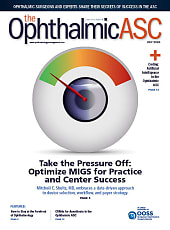
To explore the reasons behind the reluctance of some surgeons to adopt minimally invasive glaucoma surgery (MIGS) and its implications for patient outcomes.
Approach:
- Surgeons often overemphasize short-term risks like hyphema over long-term benefits of MIGS, which can negatively impact patient care.
- Hyphema, while rare and usually self-resolving, significantly impacts both patient and surgeon experiences, highlighting the need for better risk management.
- Cognitive biases such as proximity bias and loss aversion play a crucial role in decision-making regarding surgical interventions, affecting the adoption of MIGS.
- The article does not provide empirical data to quantify the extent of reluctance among surgeons, indicating a gap in understanding the full scope of the issue.
- It primarily focuses on psychological factors without addressing other potential barriers to MIGS adoption, suggesting a need for a more comprehensive exploration.
Key Findings:
Interpretation:
Surgeons' reluctance to adopt MIGS may be rooted in cognitive biases that prioritize immediate risks over potential long-term gains, leading to a hesitance to embrace new surgical techniques and potentially compromising patient outcomes.
Limitations:
Conclusion:
Addressing cognitive biases and developing interventions that minimize risks may enhance the adoption of MIGS among surgeons, ultimately improving patient care.
Sources:
This content is an AI-generated, fully rewritten summary based on a published scholarly article. It does not reproduce the original text and is not a substitute for the original publication. Readers are encouraged to consult the source for full context, data, and methodology.