



5 Key Takeaways
-
1
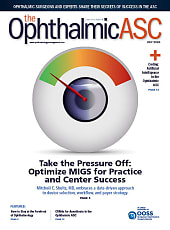
Surgeons' reluctance to adopt MIGS may be influenced by cognitive biases that emphasize short-term risks over long-term benefits.
-
2
Hyphema is a common adverse event in MIGS that can negatively impact patient vision, but it usually resolves without long-term consequences.
-
3
Cognitive biases, such as proximity bias and loss aversion, lead surgeons to focus on rare complications rather than the benefits of MIGS.
-
4
Regret theory suggests that surgeons may avoid MIGS due to fear of negative outcomes, despite the risk of allowing vision loss from glaucoma.
-
5
Innovations in interventional therapies may help reduce complications like hyphema, encouraging more surgeons to adopt MIGS.
This content is an AI-generated, fully rewritten summary based on a published scholarly article. It does not reproduce the original text and is not a substitute for the original publication. Readers are encouraged to consult the source for full context, data, and methodology.